My Take on Photography

“Every artist has a central story to tell, and the difficulty, the impossible task, is trying to present that story in pictures.”

Gregory Crewdson

Photography is an art, and the photographer is the artist. There are those that will say this isn’t true however I have to disagree. Both must have a passion for what they do, along with creativity and a good imagination. A photographer only has one time to snap a photo then that moment is gone forever and can’t be recreated.

When l am framing a shot, I examine every possible angle I can shoot it from, then I imagine what I want it to look like. It requires an eye for detail, patience and flexibility. Light is a key composition and can greatly affect the photo. In a studio one can use artificial light but in nature one must learn to use what light is available.

When I take a picture, the subject must excite me. I sell my photographs and I have to rely on people buying them. If I’m not excited, I can’t expect the viewer to be excited. I have to capture the viewers’ attention and hope they buy it.
In Bruce Barnbaum’s book The Art of Photography Mr Barnbaum lists 14 elements of composition. They are light, color, contrast and tone, line, form, pattern, balance, movement, positive and negative space, texture, camera position, focal length, depth of field and shutter speed. There is so much more involved than point and shoot.

I am basically a landscape photographer. I love nature and am mesmerized by a river. Sunrises and sunsets always grab my attention. It never seems to fail that I see the best ones when I am driving down the road. They can be short lived, and the photographer has to act quickly. When I go hiking, I always have my camera with me. Quite frankly I suck at portraits, and I am in awe of those who have mastered it. Wedding photographers I think have the hardest job. It takes a lot of patience and creativity with some imagination. I am in awe of them.

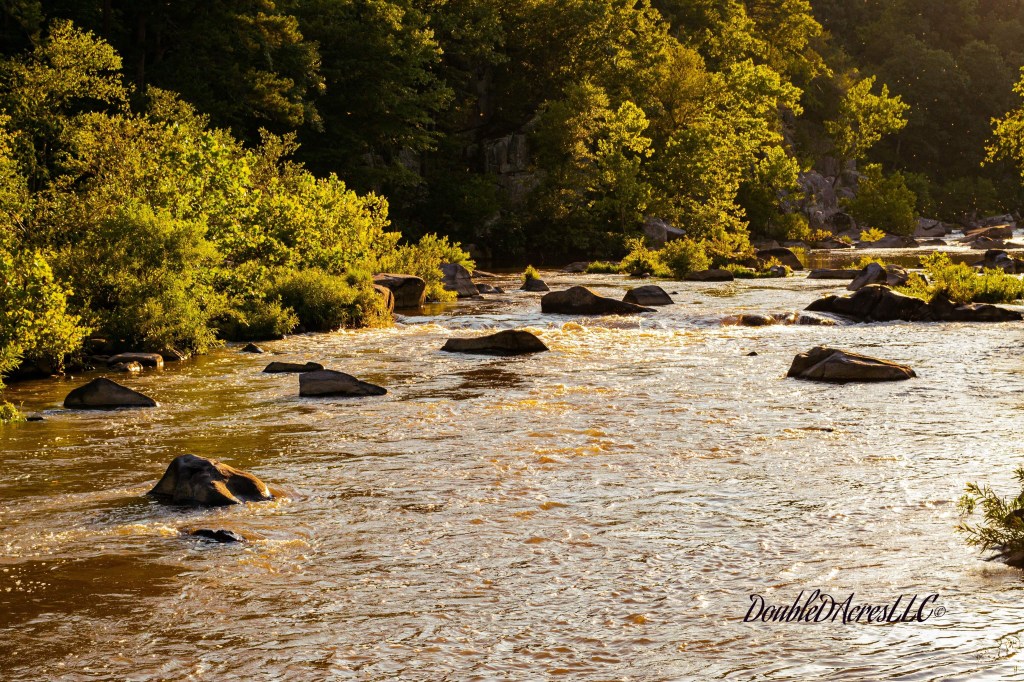
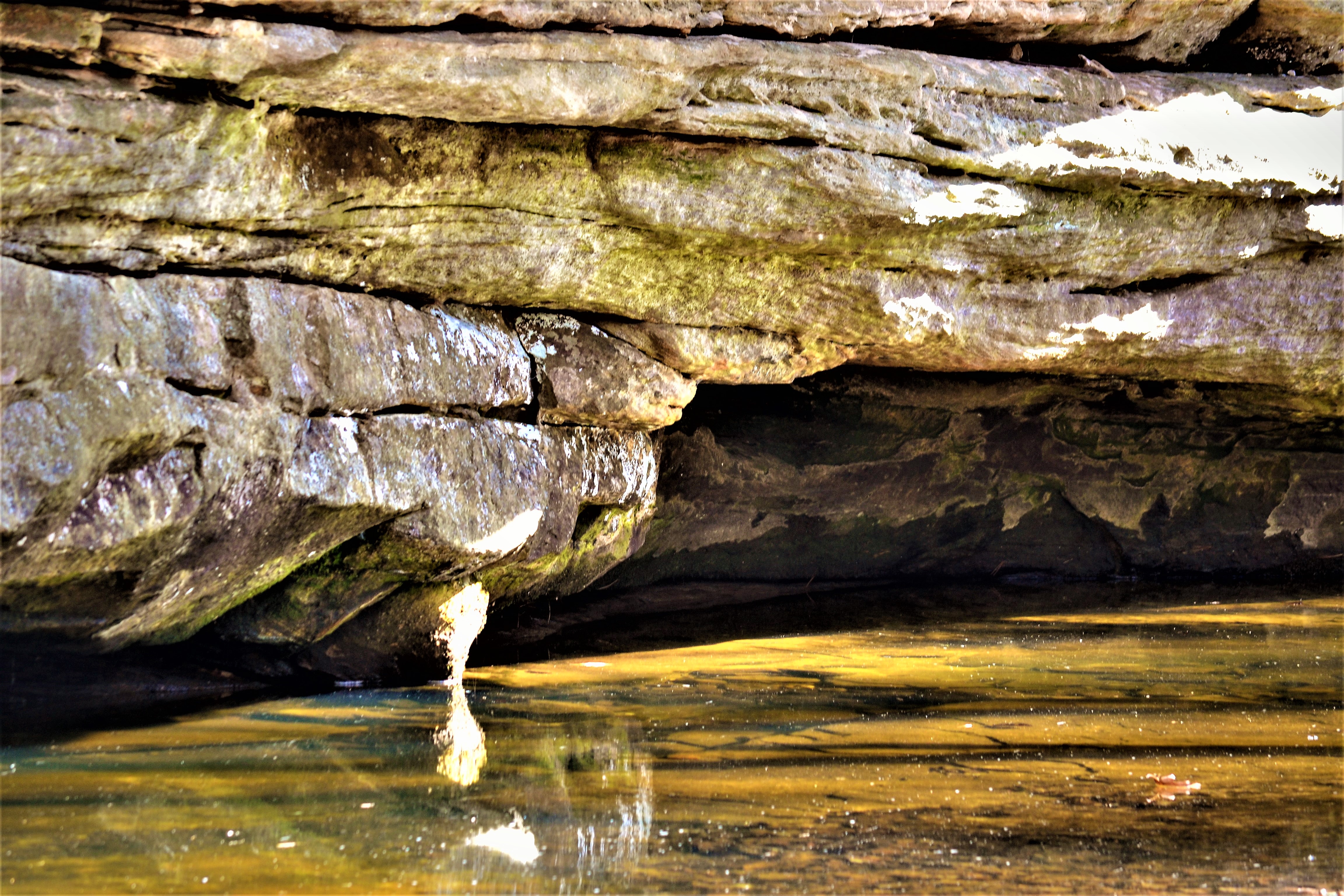
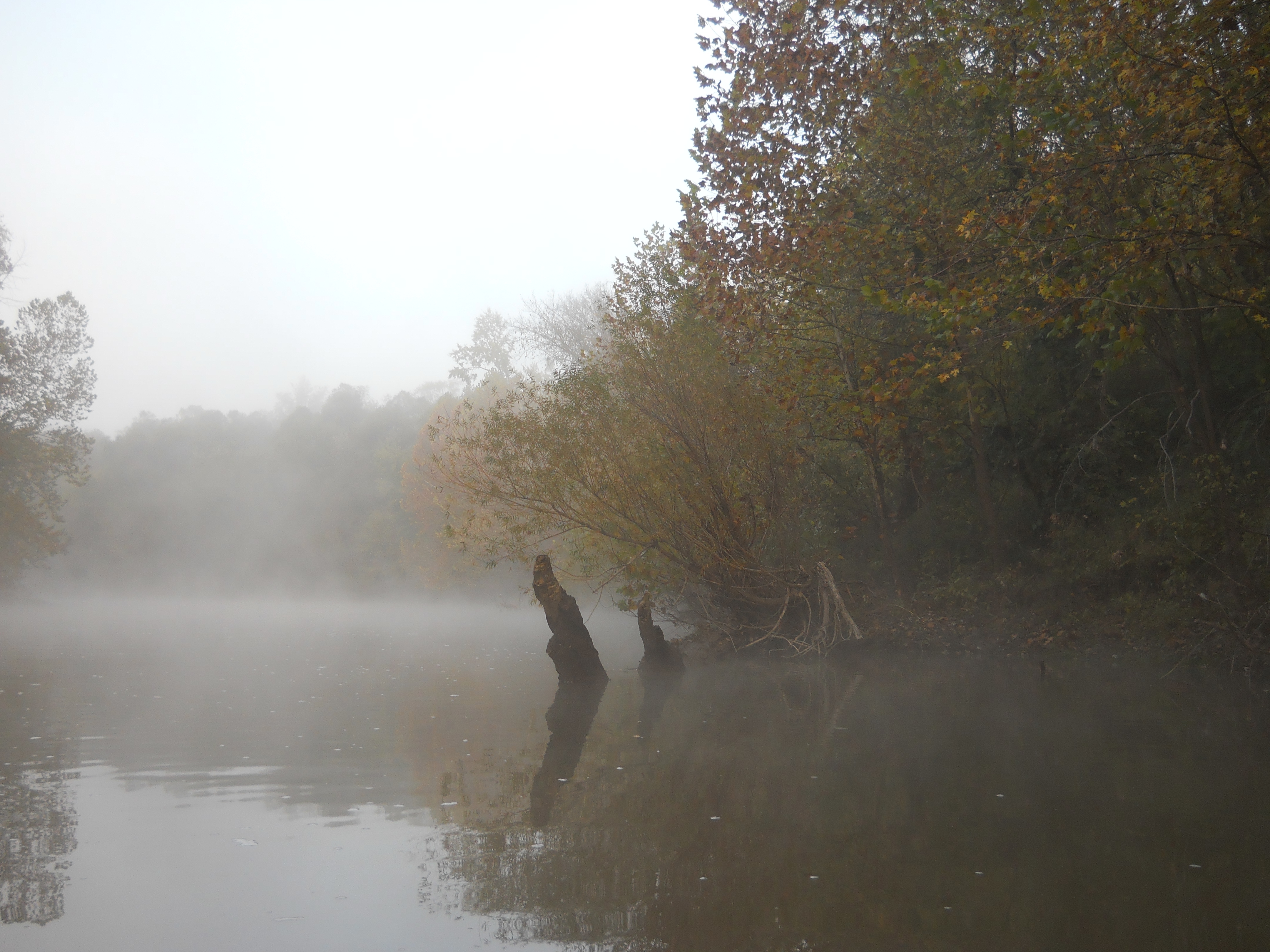
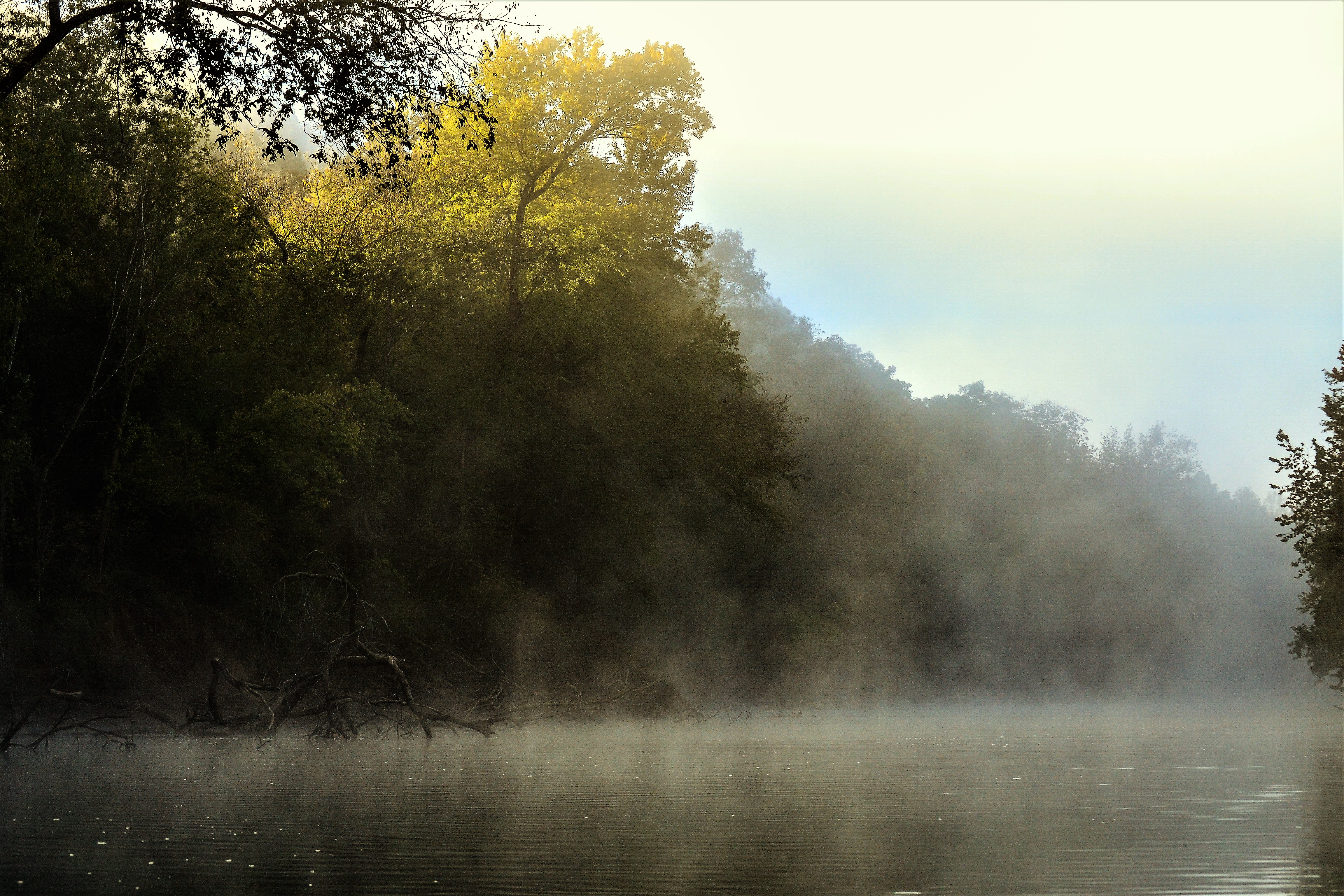
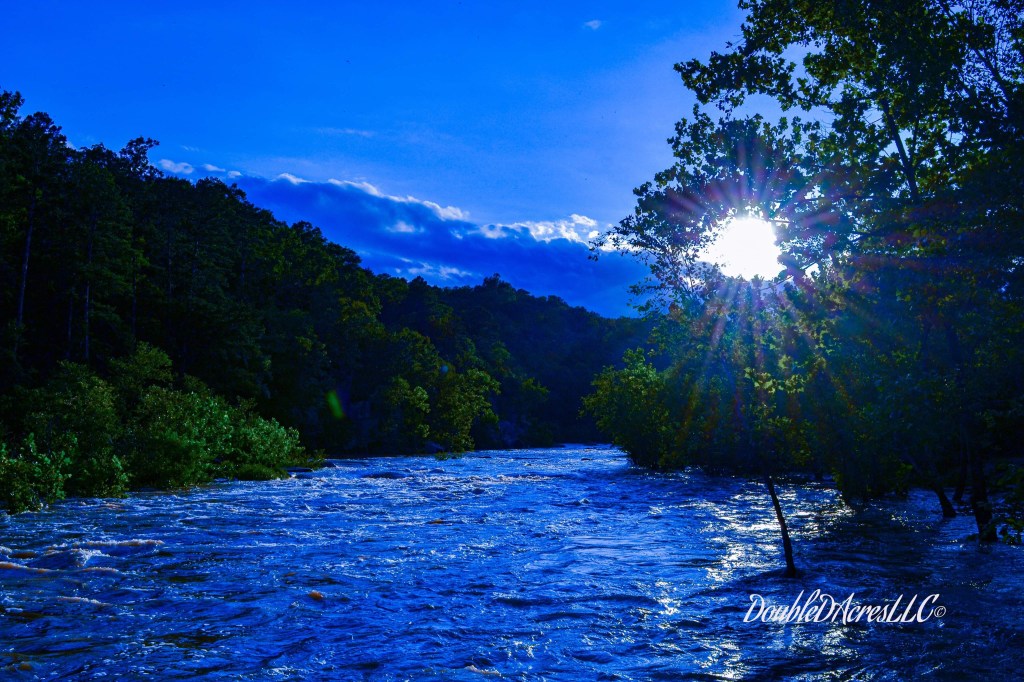
There was only about 10 minutes between these two photos, and it changed quickly. I took them in Silver Mines Recreation area. This is the St. Francis River that meanders through the park. It is located between Ironton and Fredericktown, Mo. Kayakers love this area and have kayak races here in the spring when the water is up. When the water level is up the kayakers head for the river.

I hope I haven’t bored you with my photos. In closing I am going to post a few more photos I took when hiking at Silver Mines.

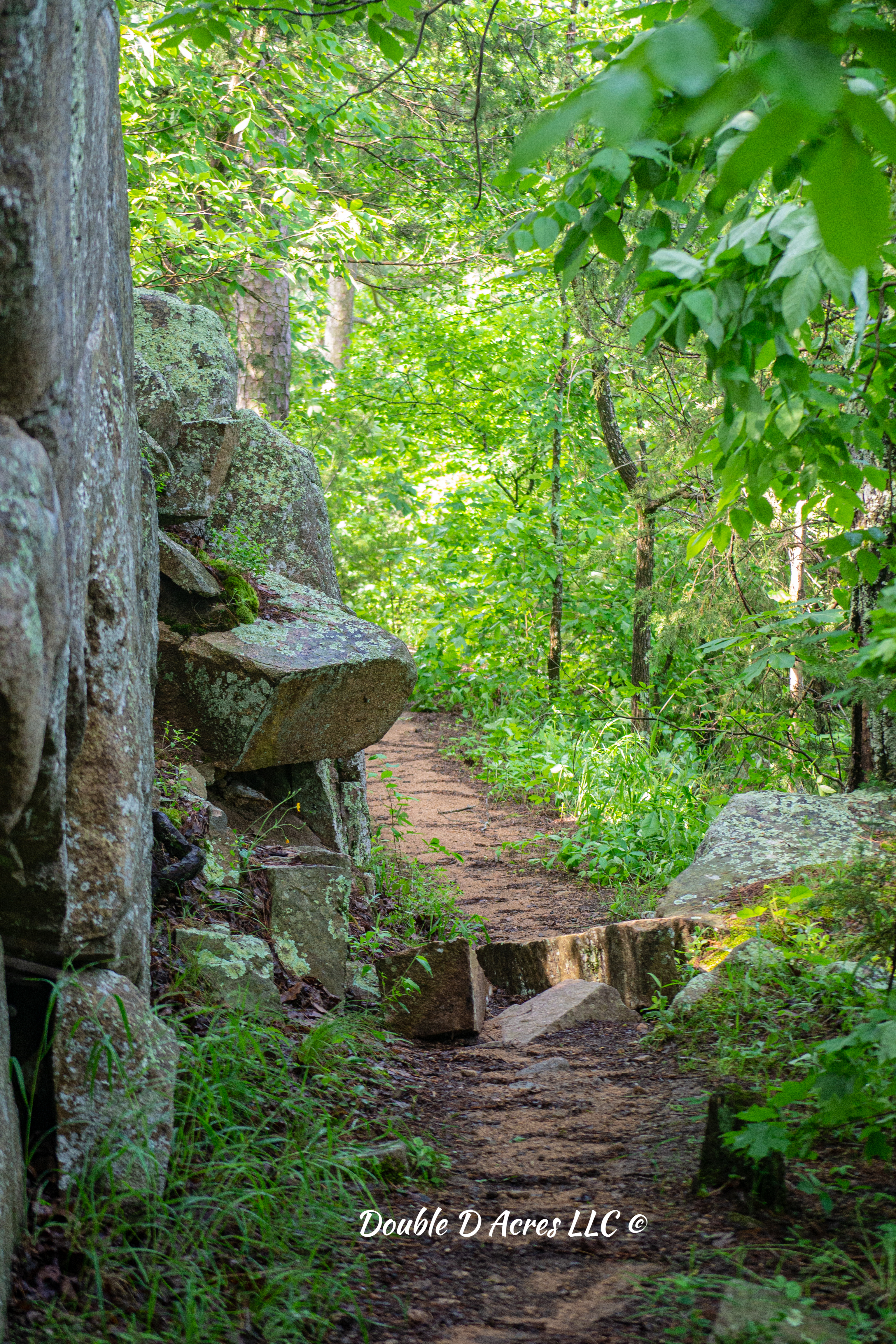
The first two were taken of the trail and the last one was a photo of what is left of the damn that was built when the old silver mine was in operation. Thanks for reading and remember to be kind to one another and spread the love.
Life Is Like A River

St Francis River

On a recent visit to Silver Mines Recreation Area, I sat and watched the water of the river flowing under the bridge located in the park.

When we arrived at the park the water was up and running over the bridge I was sitting on, now watching the river run under the bridge. Like life the river has its lows and highs.

St Francis River

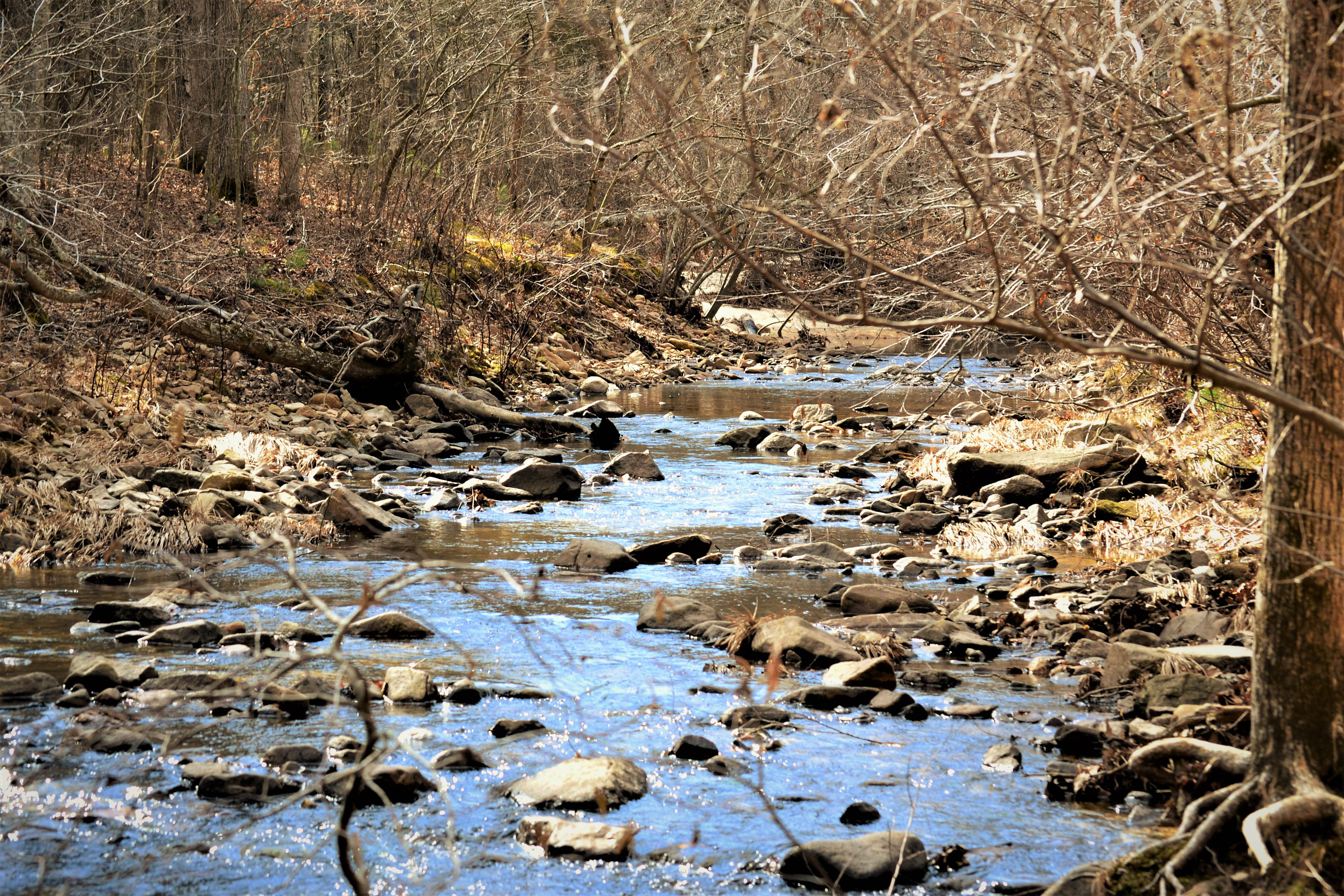
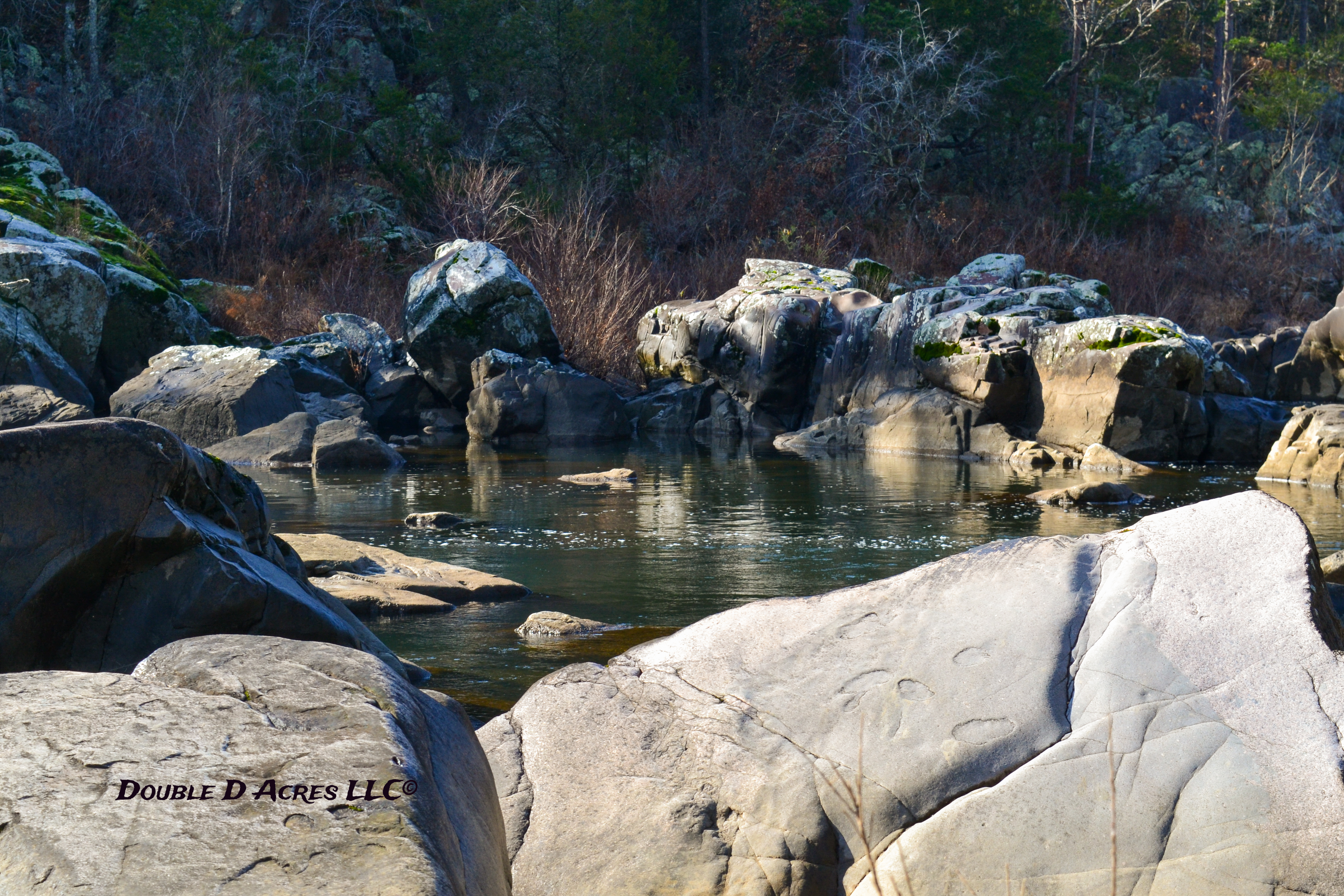
As I sat looking up river I watched as the river rolled past the rocks headed for its final destination. It rolled past the rocks so gracefully not letting it stop it or slow it down. These rocks could represent the obstacles in our life. We need to approach our obstacles in life like the river deals with the rocks. We need to learn to roll around them and leave them behind us like the river and be thankful they are behind us.

St Francis River

At the end of the rapids there are deeper pools of slow moving water. Those waters represent the slow, peaceful times in our life when we can relax and enjoy the peace in our lives. A time when we can reflect back on where we have been and what we have accomplished. A time to be thankful for surviving all the obstacles we have faced.

The Campfire

“The campfire is the most important part of camping. It’s far more than just a source of heat or light. It’s the heart of civilization. All other activities revolve around the fire.”

David Lubar

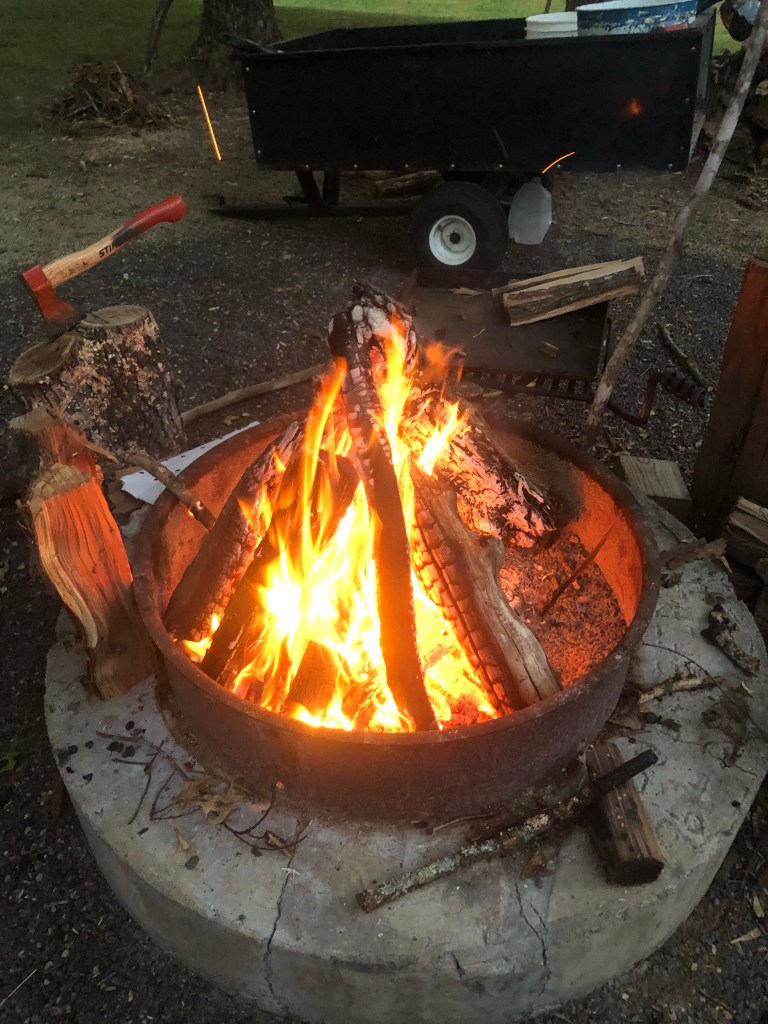
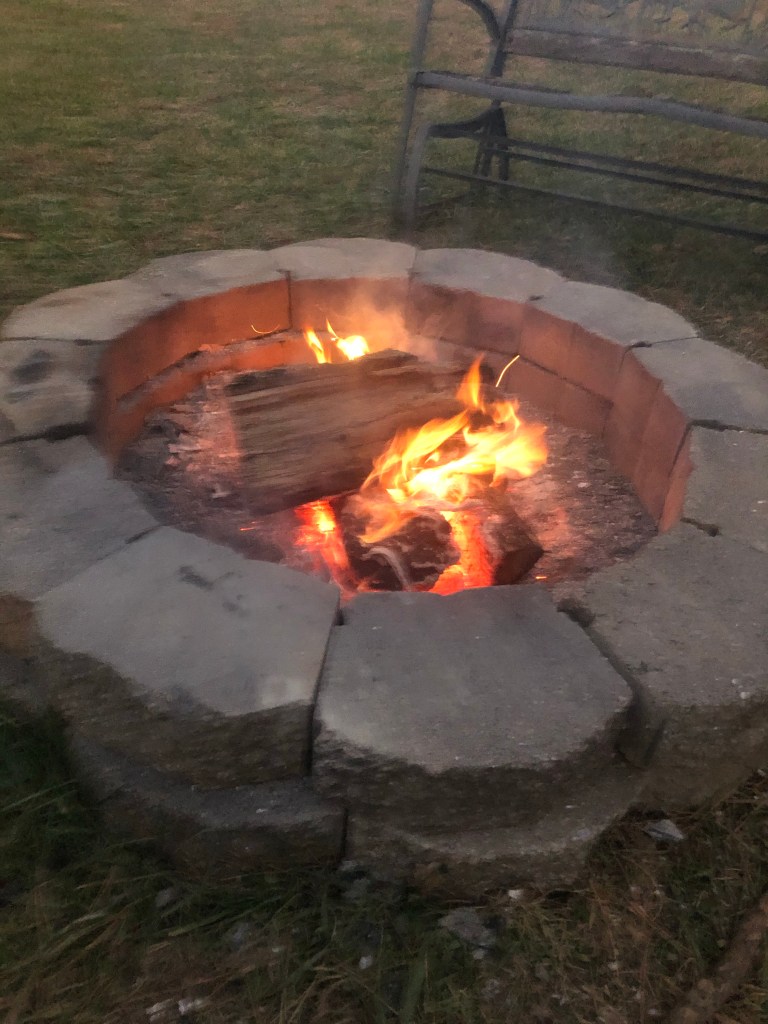
Many a night I have sat in front of a campfire and watched the flames perform their magical dance. A campfire can calm the soul and renew the spirit.

It’s a place where stories are born, world problems are solved and some of the biggest fish are caught. It’s a place for singing with an acoustic guitar showing up occasionally.

The campfire is used to roast hot dogs, make s’mores a favorite of the young ones. Let us not forget it is the perfect place to tell a ghost story.

If you have never sat around a campfire put it on your bucket list. A lot of friendships have been made around the campfire.

Pickle Springs Natural Area

Pickle Springs Natural Area is located in St. Genevieve County in Missouri. Inside the area is a 1.9-mile loop that is rated moderate. Average time to cover trail is 52 minutes. It is popular among hikers, trail runners and bird watchers. The trail is open all year-round, but you will have to leave your pups at home. Dogs aren’t allowed.

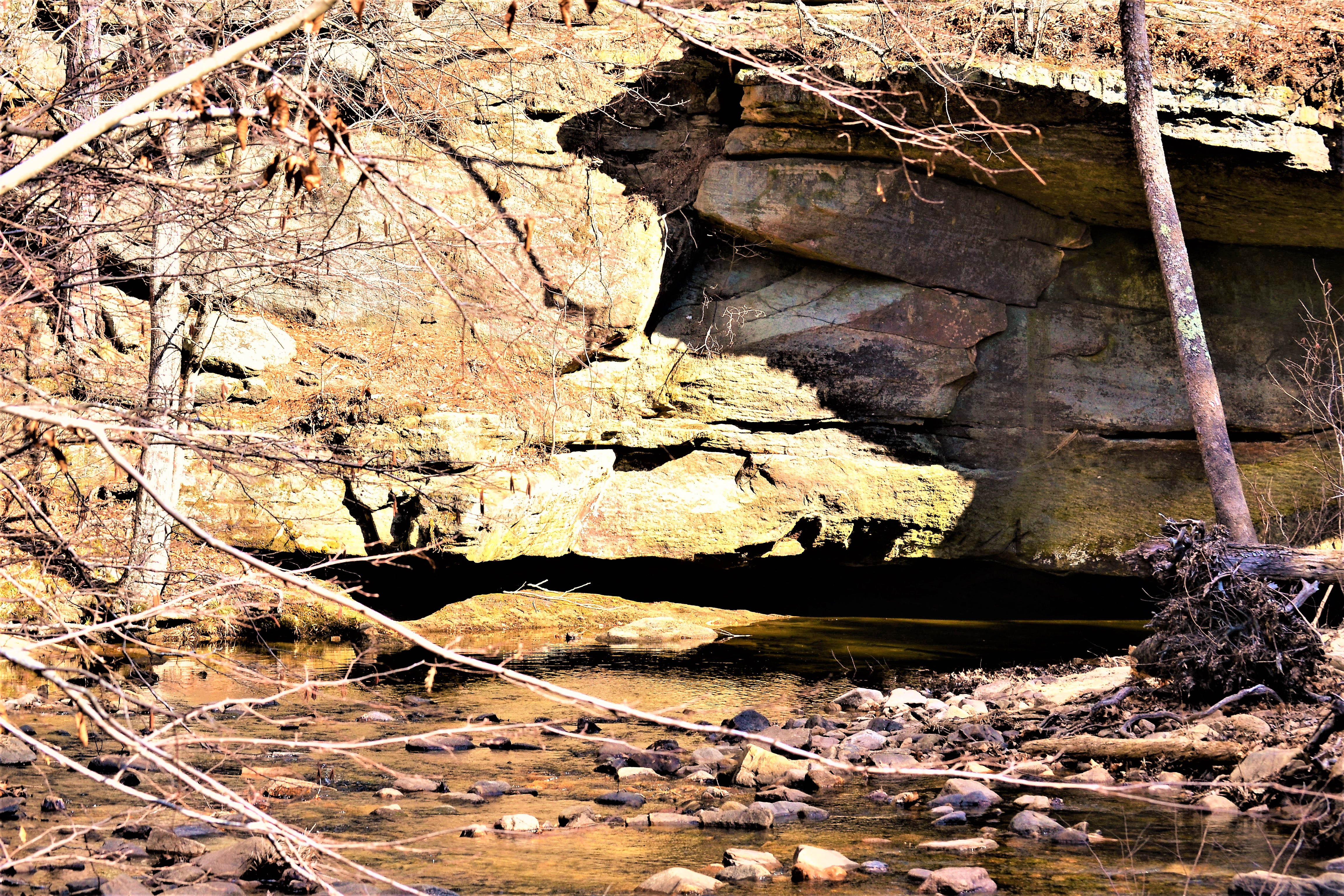
The area was designated a National Natural Landmark in 1974. Inside the area you will find unique rock outcroppings, seasonal waterfalls, bluff overlooks, shallow caves and be prepared to cross wet weather creek crossings. You might want to take along a pair of binoculars or camera. There is ample wildlife to spot. The area has some steep uphill climbs, bridged creek crossings and you will find the trail is well maintained.

You will find 250 species of vascular plants and rose azalea. Creek inhabitants include four toed salamanders, pickerel frogs, green frogs and southern leopard frogs. Also found in the creek is a crustacean, amphipod, known to be only found here.

From Farmington, MO, take Highway 32 east, then Route AA east, and Dorlac Road north.

Devil’s Honeycomb Trail (Hughes Mountain)

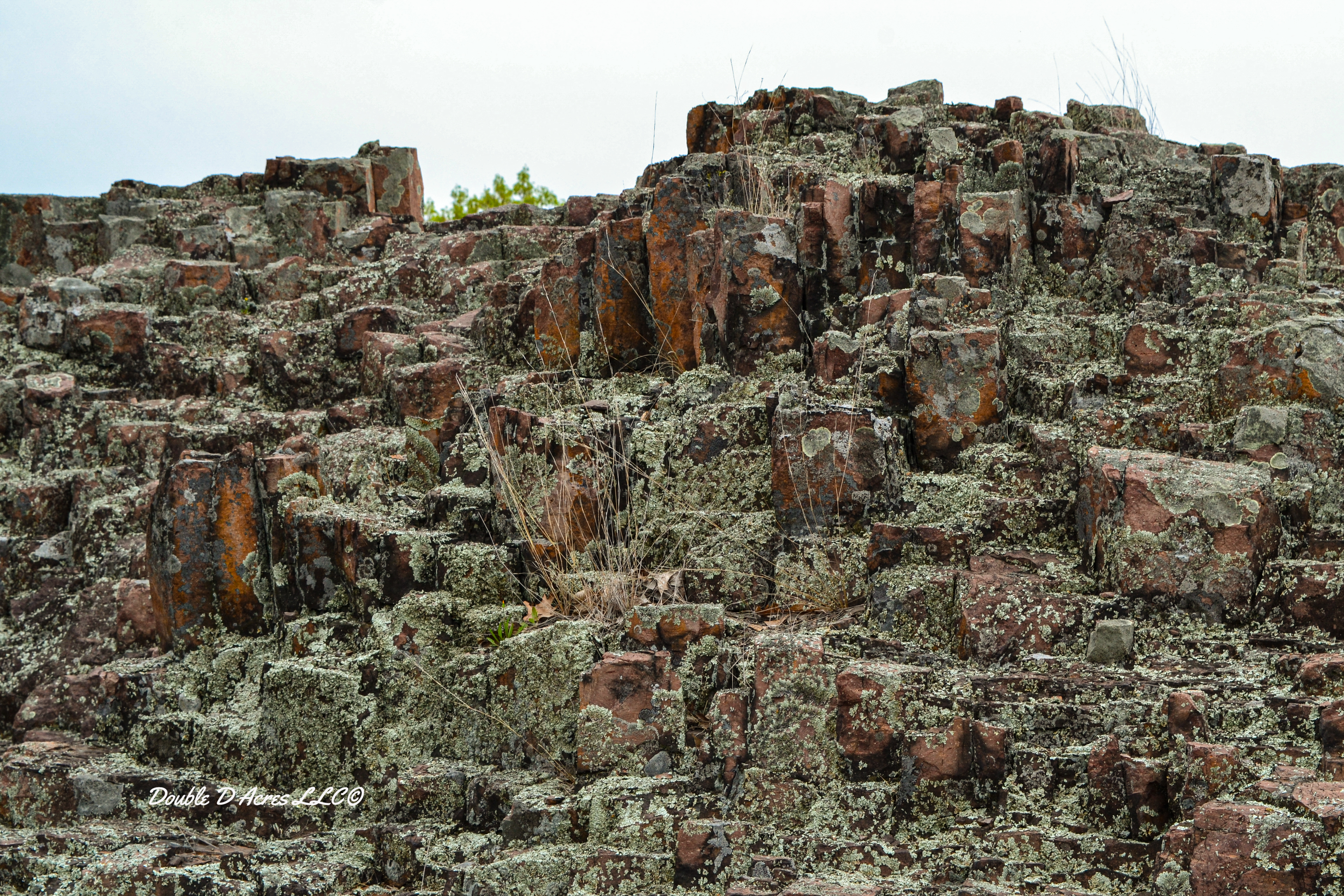
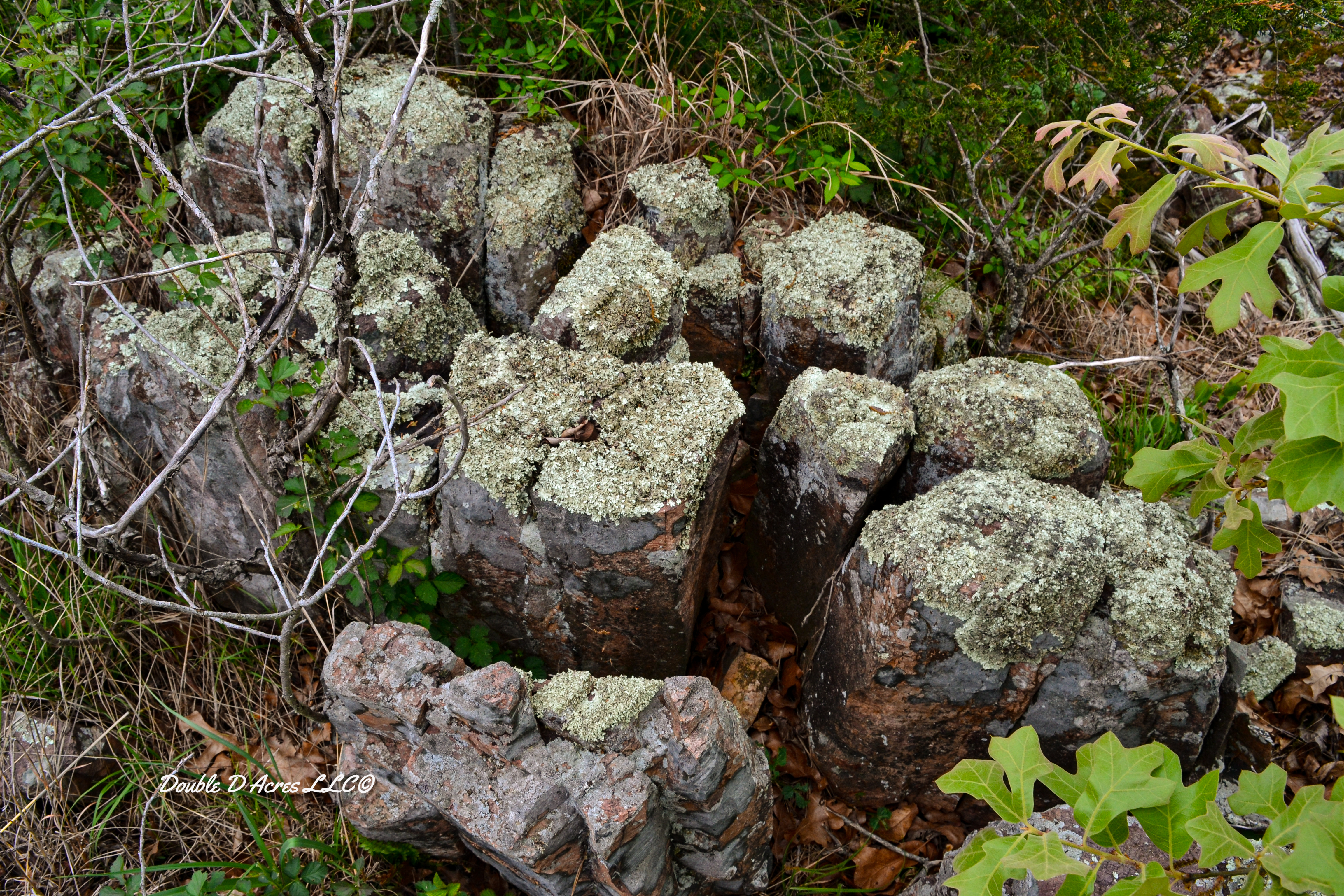
Located in the Hughes Mountain Natural Area is a trail called Devil’s Honeycomb Trail. It consists of glades, savanna, old fields and it is half forest. Polygonal columns of rhyolite make up what the locals call the Devil’s Honeycomb and is located at the highest point of the mountain. It is one of Missouri’s geologic wonders.

Around 1.5 billion years ago the rocks were liquefied by volcanoes associated with the St. Francois Mountains. The molten rock contracted, and as it cooled cracked and created multi-sided columns and created a rhyolite formation that locals named the Devil’s Honeycomb. The Precambrian rock outcrops are among the most ancient, exposed rocks in the United States.

The Hughes Mountain Natural Area is located off highway M, 3 miles southeast of Irondale.

Hughes Mountain Natural Area

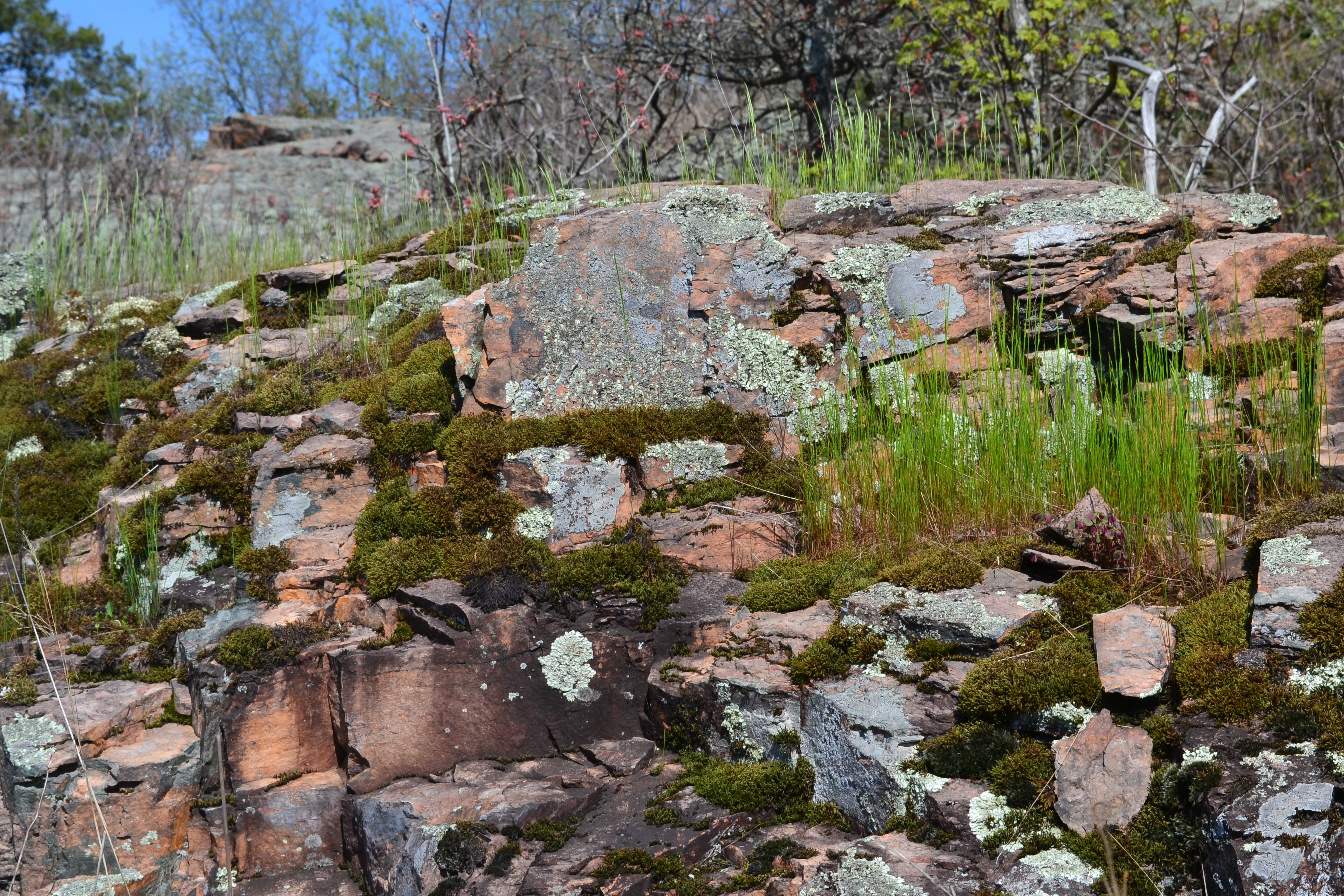
Hughes Mountain is located in southern Washington County in Missouri. The area was designated a natural area in 1982. It is made up of a combination of igneous glades and three types of forests. Precambrian rock outcrops found in the area are 1.5 billion years old making them among the most ancient, exposed rocks in the United States.

The area is named after the first European settler, who arrived in 1810, John Hughes. The Conservation Department purchased the land from the Hughes family. The rhyolite formation located at its highest point is known by locals as the Devil’s Honeycomb. Because of my late start and other time restraints I was unable to make my way to this area. Another trip is planned for the near future.

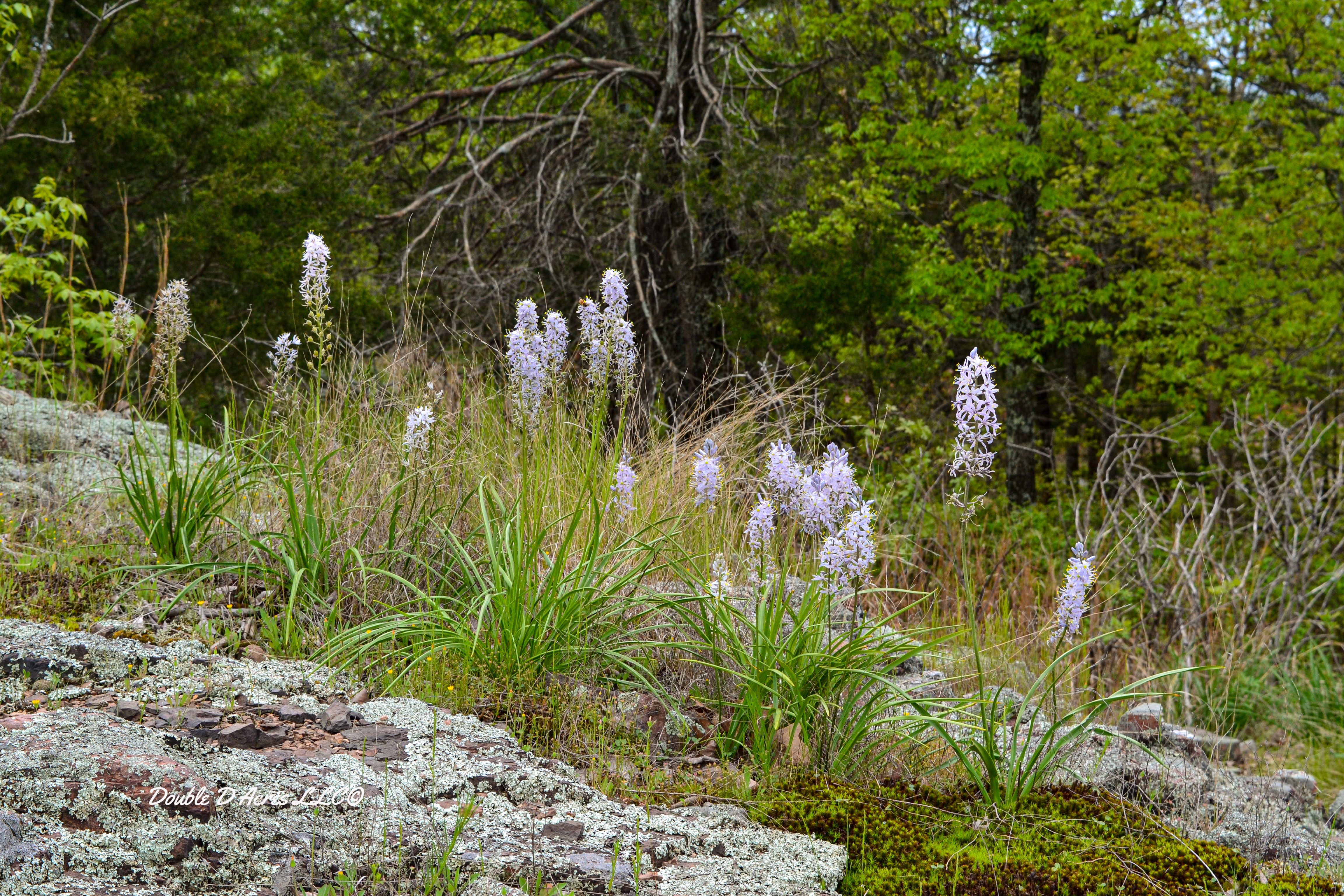
Glades located within the area are natural openings located on the western and southern slopes where native grasses and a variety of wildflowers can be found. Glade plants include little bluestem, broomsedge, poverty grass, flame flower, prickly pear cactus, yellow star grass, spiderwort, and wild hyacinth.

The trail is 1.6 miles long and is an out-and-back trail near Irondale, MO. I found it to be a moderately challenging trail but was fairly well maintained with trail arrows. On average it takes 48 minutes to complete however time gets away from you when snapping photos. The trail is open year round and dogs are welcome but they must be on a leash. The trail is popular among birders, hikers and runners. However, if you see me running, run, because something is chasing me.

NOTE: All pictures were taken by me and the property of Double D Acres LLC and may not be used without my permission.

Do You See What I See

“To me photography is an art of observation. It’s about finding something interesting in an ordinary place…I’ve found it has little to do with the things you see and everything to do with the way you see them.”

Elliott Erwitt

Elliott Erwitt was famous for his uncanny ability to capture on film the humor and irony of everyday life.

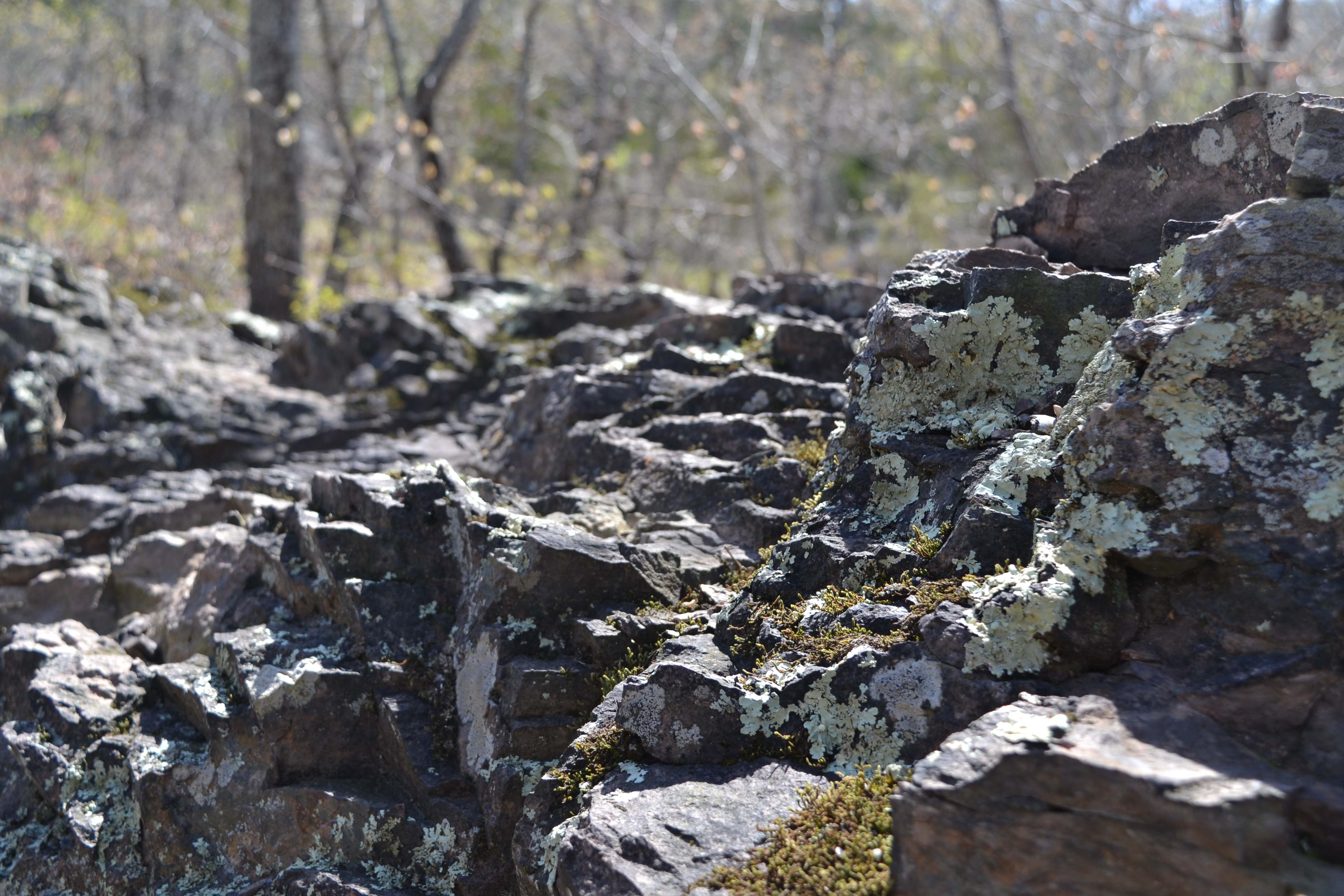
Fortunately, we are all different. The world would be a boring place if we all liked the same things. Ten people can look at the same picture and see it fourteen different ways. As a photographer I want the viewer to see what I see. When I see something that excites me, I immediately begin analyzing the shot trying to figure out how to shoot the picture for the viewer to understand what I see. In this particular picture I would have to ask which came first? The rocks or the tree.

This shot was taken on a ridge that paralleled the St. Francis River inside the Silver Mines Recreation Area near Fredericktown, MO. It is along a trail that runs parallel with the river along the ridge and just to the right a trail takes off up the ridge. My thinking is the rocks were put there many years ago to mark the trail when the tree was small.

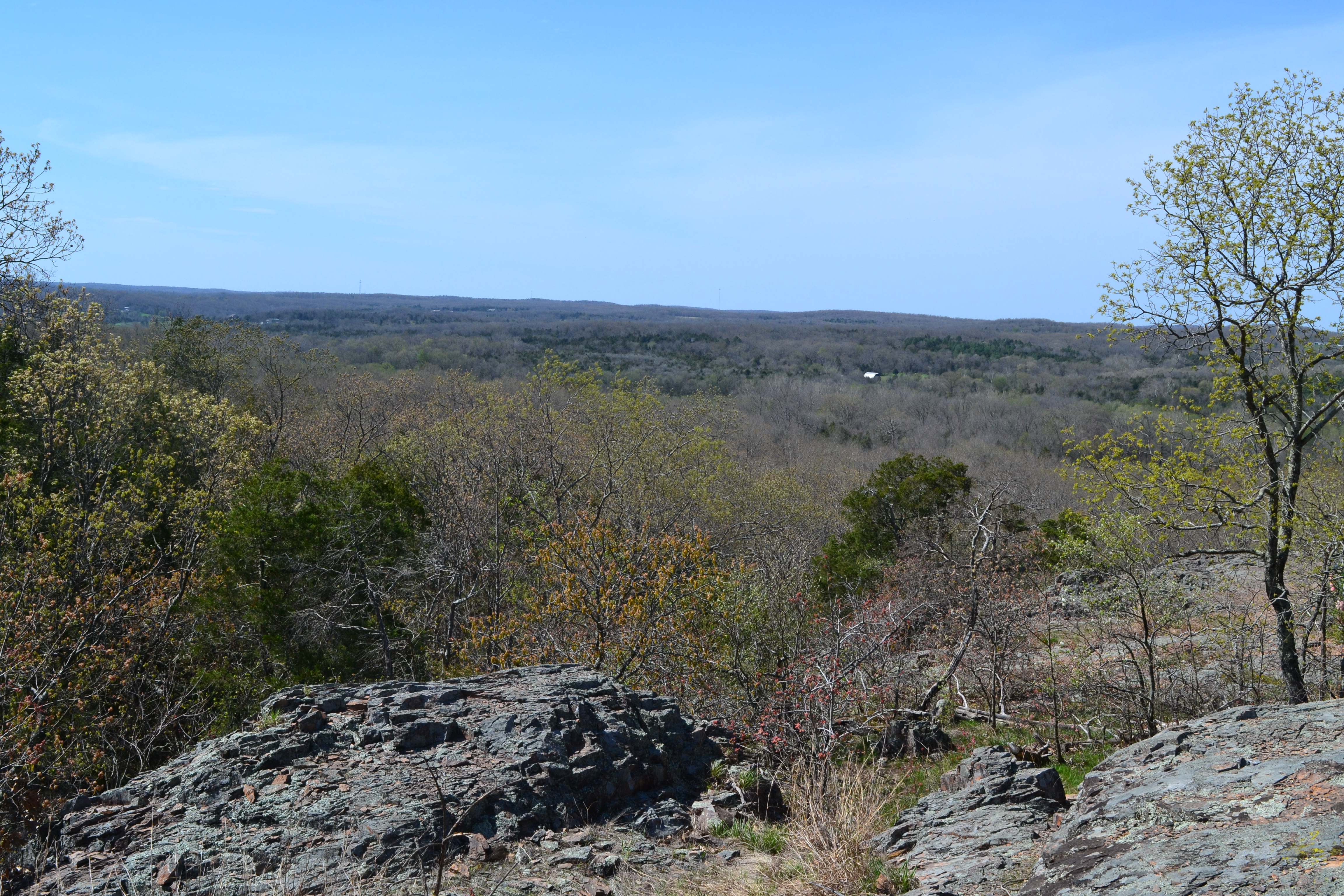
More pictures of the trail that runs along the west ridge overlooking the river.

Lakeview Lake

Lakeview Lake

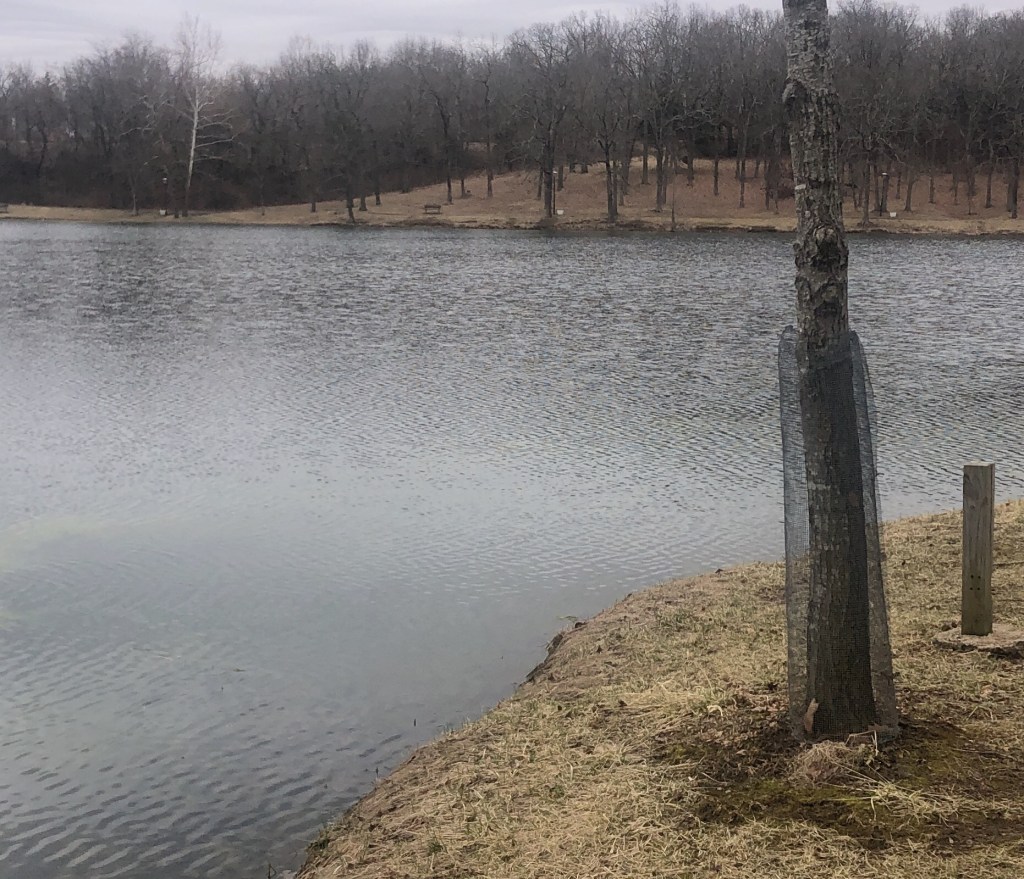
They were calling for rain this afternoon so I decided to take advantage of the dry time. I loaded up and headed to Lakeview Lake in Bonne Terre, MO.

Temp was in the 50s with an 8 mph wind. I assembled the fly rod and reel and tied on a brass head black fly. I looked over the lake and decided I would start at a point where the wind was behind me.

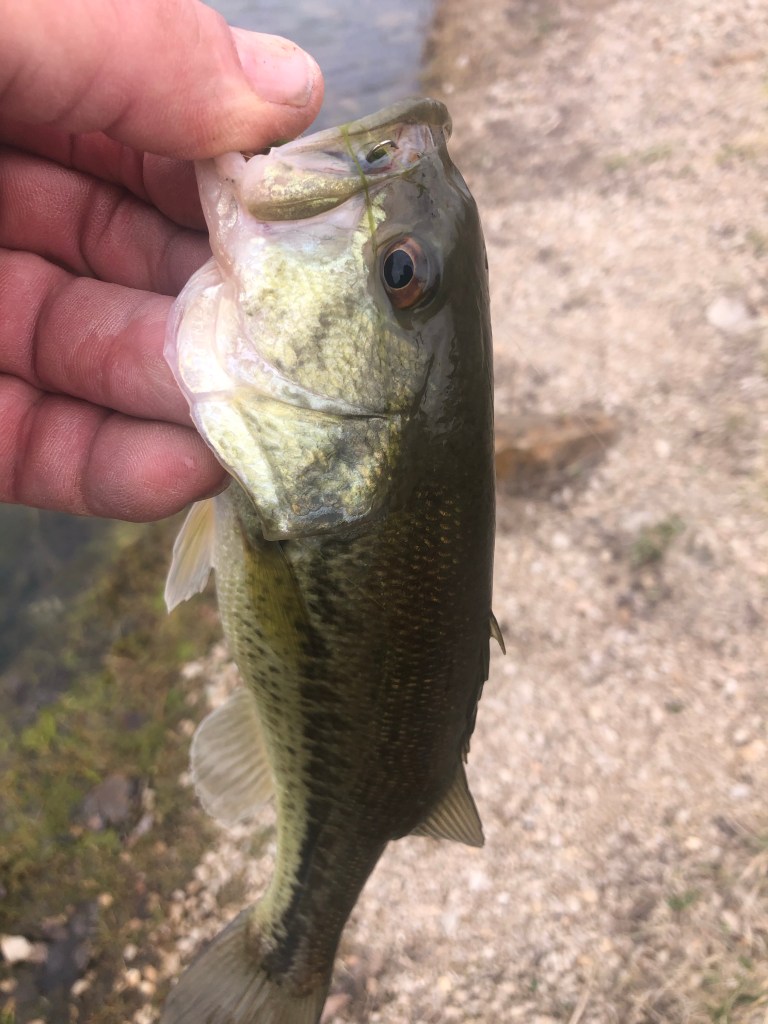
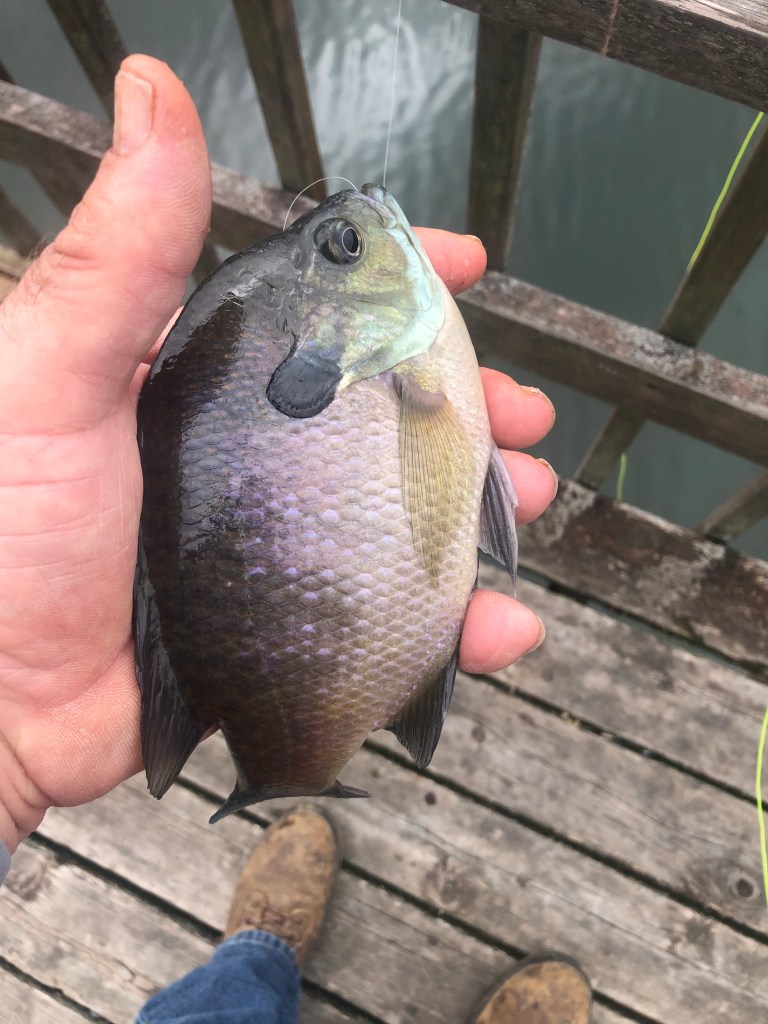
I fished for a good hour before I finally caught a small largemouth. I released it into the lake. I walked down the bank about 50 yards and began fishing. After about 20 minutes I caught a small perch.

By now the wind changed direction and was blowing into my face so I moved to the other side. About the third cast I caught another small perch.

I began easing my way around the lake fishing as I went and I soon caught a largemouth snd this one was bigger.

I fished another 45 minutes and managed to catch another small perch and finally a pretty nice one.

All in all it was a good day and I enjoyed the time on the lake. Planning another trip real soon.

Fracture Art

Looking for a different way than traditional prints, framed and hung on the wall to display your photographs? Fracture art does just that. It takes your digital images and prints them directly onto glass, turning the print into a frame.

The photograph above doesn’t really do the Fracture print justice. It’s amazing how it makes the colors pop out. It seems quite pricey but you don’t have the cost of a matte and frame and the time it takes to frame them.

A medium, 7.2”x 9.6” will set you back $50 and a classic 10.8” x 14.4” will set you back $80. I have done a couple this way and I love it.